
Looking for stable work in the retail sector? For many, 7-Eleven job vacancies present a promising opportunity.
Whether someone’s launching their career, seeking flexible part-time work, or aiming for advancement, the process often sparks questions.
This article gently unpacks what applying to 7-Eleven entails—relevant for students, first-time job seekers, and anyone curious about retail employment options.
Why Many Consider Working at 7-Eleven?
7-Eleven has grown from a simple convenience store into a global brand. There’s a reason why thousands explore employment opportunities here each year.

It might be about convenience, flexibility, or just the sheer variety of roles on offer. Honestly, sometimes, it’s a mix of all three.
Flexible Scheduling and Local Presence
Many people value the flexible hours found at 7-Eleven. With stores operating round-the-clock in busy city areas and quieter towns, there’s usually a fit for most schedules.
For example, students juggling classes or parents needing part-time work might find retail shifts surprisingly manageable.
Entry Points and Advancement Potential
The company tends to welcome people new to the workforce, which eases nerves for those lacking experience.
Over time, it’s possible to move from cashier to supervisor positions—sometimes even further. That’s something not every retail chain can honestly promise, at least not as consistently.
Access to Benefits
Depending on the region and employment type, employees may have access to certain benefits. Health coverage, staff discounts, and overtime compensation can accompany some roles, especially for full-time team members.
Types of Job Vacancies Available
Curious which roles might best match your interests? 7-Eleven careers extend beyond the sales floor. Let’s take a look at a few of the most common positions.
Sales Associates
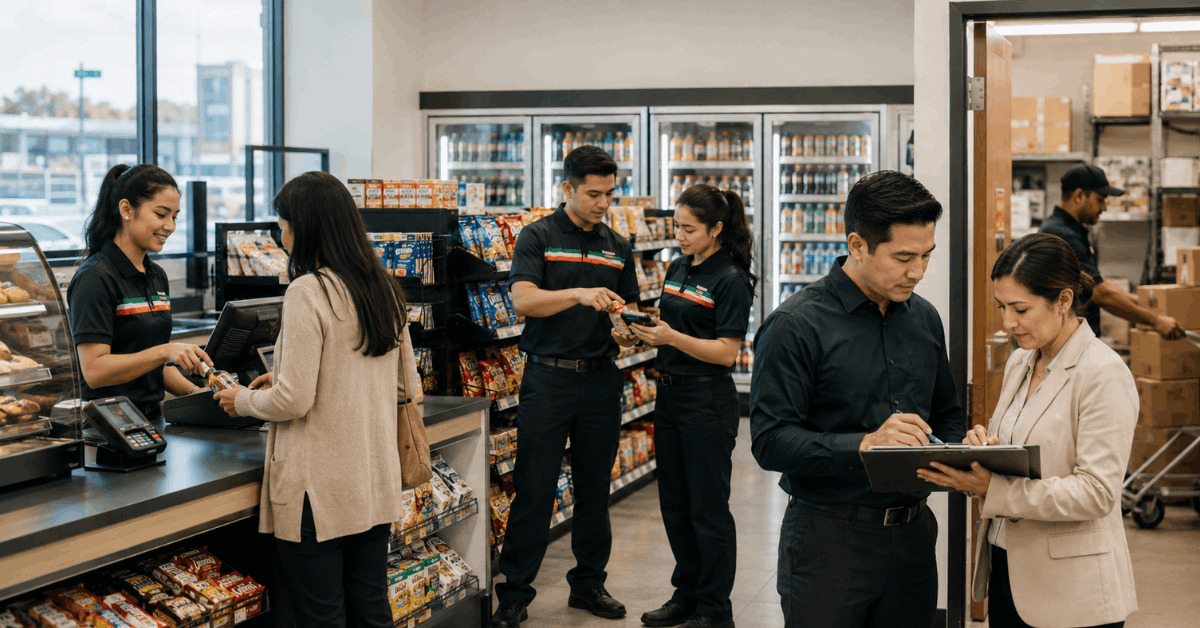
These frontline team members handle transactions, restock shelves, and maintain the store’s appearance. It sounds simple, but, truthfully, the multi-tasking can be intense during busy hours. This is often the entry point for newcomers.
Shift Leaders and Store Supervisors
For those who enjoy guiding a team, supervisory roles could become available after some experience. They manage staff, address customer questions, and ensure store policies are followed.
Store Managers
Managerial roles involve budgeting, inventory, hiring, and overall store performance. These usually require previous experience and stronger leadership skills.
Support and Distribution Roles
Larger regions offer logistics and warehouse positions, essential for keeping products flowing to stores. These jobs align with candidates who prefer behind-the-scenes work.
Where to Find 7-Eleven Job Vacancies?
Searching for open positions can feel overwhelming. Honestly, there are several practical channels to try, each with pros and cons.
Official 7-Eleven Careers Website
The company’s own careers portal often lists vacancies sorted by region, role, and experience level. Using these official channels lowers the risk of encountering misleading or outdated postings.
Usually, you’ll find the newest listings and full job details here. The URL is typically country-specific (for example, 7-eleven.com/careers in the US), so a quick search online or via the main brand site helps locate the right portal.
Third-Party Job Boards
Other popular sites—such as Indeed or Glassdoor—may also list 7-Eleven roles. Sometimes, reviews and pay range estimates from previous employees are visible alongside postings, giving extra insight. This can feel reassuring during the search.
In-Store Posters and Referrals
Not all positions appear online. Occasionally, vacancies are posted on notice boards inside local stores. If someone already works at 7-Eleven, referrals might even unlock “hidden” job opportunities. It’s worth checking while shopping or during a casual visit.
How the Application Process Typically Works?
Applying for a retail job can seem formulaic, but a few steps may surprise newcomers. Here’s a general outline, though processes might differ by region or role.
1. Online Applications
Most job seekers start with an online form, submitting basic contact info, work history, and sometimes a short questionnaire. Some locations may still accept paper forms, but digital submissions are the norm now.
2. Resume and Documents
If possible, a tailored resume boosts application strength. It doesn’t need to be complicated—just clear and honest about experience and skills. For more senior roles, attaching reference contacts may help, too.
3. Assessment and Screening
The next stage may include assessments: short quizzes or scenario questions meant to gauge reliability or problem-solving. They aren’t designed to trip anyone up, but honesty matters here more than offering a “perfect” answer.
4. Interview
Interviews can be brief, especially for sales associates. Expect questions about customer service, handling stress, and availability. Dress neatly, but there’s usually no need to overthink it. For management, expect a lengthier conversation about team leadership and store operations.
5. Background Checks
Almost every successful applicant goes through basic background screening. This helps keep stores safe and secure. The scope and timeline may vary, and some people find this step a little nerve-wracking, even if their record is clean.
6. Onboarding and Training
Once hired, most receive a few shifts of hands-on training. This might involve shadowing existing staff, reviewing safety protocols, and learning how the point-of-sale system works.
Practical Tips for Successful Applications
Honestly, applying for jobs can be stressful. Here are some practical tips—nothing too fancy, but maybe a few small differences matter.
- Highlight any customer-facing skills. If someone’s volunteered, handled money, or worked in a team, those experiences help.
- Be honest about schedule availability. Overpromising on flexibility can backfire later.
- Follow up politely. Sometimes, a store manager may respond quicker if an applicant checks in by phone a week after applying.
- Consider nearly every interaction—from the first email to the in-store visit—part of the application. Politeness and punctuality go a long way.
Legal and Tax Considerations for Employees
Employment can involve a few legal and financial matters. For example, in the US, new hires complete forms like the W-4 for tax withholding.
Hiring may also hinge on verifying eligibility to work in the country (like presenting ID and residency documents).
In some regions, part-time employees might not receive all the same benefits as full-time staff. It’s okay to ask (gently) during the interview or onboarding process if anything seems unclear.
Payroll taxes and reporting are usually handled by the employer, but double-checking payslips never hurts. For tax-related concerns, checking with a local authority or visiting a resource like irs.gov offers more precise guidance.
Potential for Growth and Career Building
Retail isn’t always seen as a long-term path, but many have built solid careers at a company like 7-Eleven. Working up from entry level is possible, especially for those who show up consistently and engage with customers.
While not everyone stays for years, the experience—both good and bad—can shape professional habits for life.
For individuals interested in management, developing soft skills (like communication and conflict resolution) often makes the biggest difference.
Some 7-Eleven locations even offer in-house training or tuition programs, depending on region, though details vary widely.
Conclusion
7-Eleven job vacancies can be a practical option for applicants seeking flexible retail work, entry-level roles, or long-term advancement.
The application process usually involves searching official listings, submitting basic documents, completing screening steps, and preparing for an interview.
Candidates who show reliability, customer service skills, honesty, and schedule flexibility may improve their chances of getting hired.
With preparation and a professional attitude, 7-Eleven can offer a useful path toward steady work and career growth.